
Solar Process Heat for Industry (2026): Where Flat Plate Collectors Pay Back
Where do flat plate collectors pay back in a factory? Boiler preheating, process hot water, a simple payback method, and the BIS and GST rules that changed in 2025 and 2026.
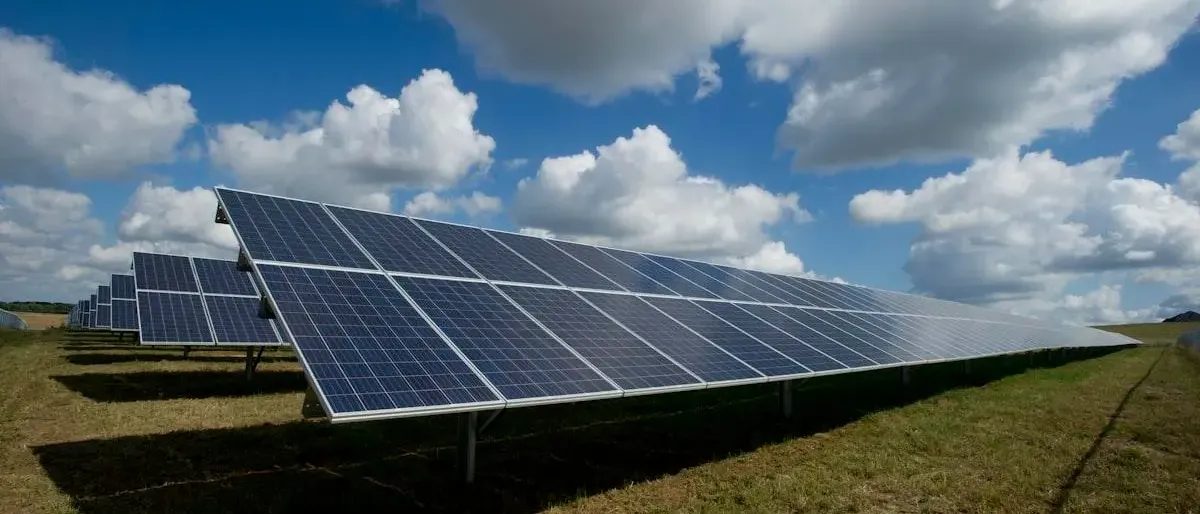
Quick answer: Flat plate collectors pay back fastest where a factory needs a lot of hot water, every day, in the daytime, at temperatures below about 80°C, and currently heats it with diesel, LPG or furnace oil. The classic first project is preheating boiler make-up water: the boiler stays, it simply burns less. Above 100°C or for direct steam, look at concentrating solar thermal instead. Since April 2025, flat plate collectors for solar water heating must carry the BIS Standard Mark (IS 12933), and GST on solar water heaters and systems fell from 12% to 5% in September 2025.
Most talk about solar in factories is about electricity. Yet a large share of the energy many plants buy goes into heat: hot water for washing, dyeing, pasteurising and cleaning, and feed water for the boiler. This guide is about where solar heat from flat plate collectors makes financial sense, how to estimate the payback for your own plant, and the rules that changed in 2025 and 2026.
Start with the temperature, not the collector
A flat plate collector is a glazed, insulated box with a copper absorber. It is at its most efficient when it delivers water in roughly the 40 to 80°C band. Push it hotter and its heat losses climb, which is where evacuated tube and concentrating collectors take over. So the first question is not which collector to buy, but what temperature each heat load really needs.
| Heat load | Fit for flat plate collectors | Why |
| Boiler make-up water preheating | Strong | Cold water raised to 60 to 80°C before the boiler; the boiler still supplies the steam |
| Washing, cleaning and rinsing water | Strong | Large daily volumes at moderate temperatures |
| Canteen, hostel and staff hot water | Strong | Steady daily demand, simple integration |
| Dyeing and bleaching baths (textiles) | Good, as preheat | Solar lifts the water most of the way; the existing heater tops it up |
| Dairy pasteurisation and food processing | Good, as preheat | High-temperature short-time pasteurisation runs at about 72°C; cleaning water is a further load |
| Direct steam, or heat above 100°C | Weak | Use concentrating solar thermal or keep solar to the preheat stage |
Boiler feed water: the simplest place to start
Boiler preheating is the most common first project because it needs no change to the process. Solar heats the make-up water into the feed tank, and the boiler fires less to reach the same steam output. On a cloudy day the boiler simply makes up the difference, so production never depends on the weather.
A widely used rule of thumb in the Bureau of Energy Efficiency's boiler guidance is that every 6°C rise in feed water temperature saves about 1% of boiler fuel. Raising make-up water from 30°C to 70°C is a 40°C rise, roughly 6 to 7% of the fuel spent heating that water. Treat this as indicative; the real figure depends on how much condensate you already return.
What decides payback
The same collectors can pay back in under two years at one plant and take far longer at another. These are the factors that decide it.
| Factor | Pays back faster | Pays back slower |
| Fuel replaced | Diesel, LPG, furnace oil, electric heating | Cheap coal, biomass or low-cost piped gas |
| Operating days | Six or seven days a week, all year | Seasonal or five-day operation |
| Timing of the load | Daytime shifts that use heat as it is made | Night-only loads that need large storage |
| Temperature needed | Up to about 80°C, or preheat only | Direct use above 100°C |
| Space | Shade-free roof or ground close to the load | Long pipe runs to a distant roof |
| Water quality | Soft water, or a closed loop with a heat exchanger | Hard water fed straight through the collectors |
One published example: a garment exporter in Punjab installed 180 flat plate collectors of 2 m² each, through a heat exchanger, to preheat boiler water to 80°C. It replaced more than 25,000 litres of diesel a year, and the installer reported a payback below 18 months (Solarthermalworld, 2015). That case burned diesel; a plant on cheaper fuel will see a longer payback.
Estimate it for your own plant in four steps
- Measure the load. Litres of hot water a day, the inlet temperature and the temperature you need.
- Convert it to heat. Heating one litre of water by 1°C takes about 1 kcal, so 10,000 litres a day raised by 40°C is about 4 lakh kcal a day.
- Convert heat to fuel. Divide by your fuel's calorific value and your boiler's efficiency, both available from your fuel bills and boiler records, to get the fuel solar would displace.
- Compare with the quote. Multiply by realistic sunny operating days and your current fuel price, then set that annual saving against the installed cost.
What changed in 2025 and 2026
| Change | What it says | Why it matters to a buyer |
| BIS Quality Control Order (S.O. 4485(E), notified 8 October 2024) | From 13 April 2025, flat plate collectors for solar water heating systems must conform to the Indian Standard (IS 12933) and carry the BIS Standard Mark. MNRE clarified in June 2026 that standalone glass evacuated tubes are not covered, while complete all-glass evacuated tube systems are. | Ask for the BIS licence number of the collector maker. Unmarked collectors should not be on the market. |
| GST rationalisation | GST on solar water heaters and systems cut from 12% to 5% from 22 September 2025. | Lower installed cost, which shortens payback. |
| MNRE call for concentrating solar thermal (September 2026) | Under the Renewable Energy Research and Technology Development Programme, viability gap funding of up to 50% of project cost, capped at Rs 2 crore per project, for concentrating solar thermal and storage for industrial heat. Submissions closed on 7 October 2026. | A signal that industrial solar heat is now a policy priority. It did not cover flat plate collectors. |
Own the system or buy the heat
As with rooftop power plants, a factory can buy the solar thermal system outright or pay only for the useful heat it delivers. The trade-offs are similar: ownership gives the highest lifetime value, while a pay-for-heat model saves capital and leaves performance with the provider. We compare the models for power plants in CAPEX vs OPEX vs PPA for factory rooftop solar, and explain the pay-for-heat option in reduce boiler fuel costs without capex.
A short buyer checklist
- BIS Standard Mark on every collector, and the maker's licence number on the quote.
- A closed loop with a heat exchanger if your water is hard, so scale does not build up in the collectors.
- Storage sized to your shift pattern, and a clear tie-in point at the feed tank or process tank.
- A heat meter, so you can see the heat delivered, not just assume it.
- Collector and tank warranties read separately; they are different parts with different lives.
Frequently asked questions
Can flat plate collectors make steam?
Not directly. They preheat the water that becomes steam, which cuts boiler fuel. For direct steam or heat above 100°C, concentrating solar thermal is the better fit.
What happens in the monsoon?
Output falls on cloudy days and the existing boiler or heater covers the gap. Systems are sized on annual heat delivered, not on the best day.
Is there a subsidy for flat plate collectors in industry?
MNRE's September 2026 funding call was for concentrating solar thermal, not flat plate collectors. Ask your state nodal agency whether any state support applies to your project.
Is the existing boiler still needed?
Yes. Solar works alongside it as a fuel saver, so production does not depend on the weather.
Standards, tax rates and scheme terms can be revised. This guide is current as of October 2026; confirm GST and depreciation treatment for your company with your chartered accountant.
Thinking about solar heat for your plant?
Greentek's Secunderabad team has worked in solar since 1997 and is among India's top-3 solar-thermal (FPC) manufacturers, making BIS-certified flat plate collectors at its Medak plant. Share your daily hot water use and a month of fuel bills, and we can tell you where solar heat fits, subject to a site assessment.
About the Author
About Greentek
Get a Free Solar Quote
A Greentek engineer will call you within 24 hours.
Need Solar Solutions?
Interested in learning more about our solar energy solutions? Get in touch with our experts.
Get Free Consultation