
CAPEX vs OPEX vs PPA for Factory Rooftop Solar (2026): Which Model Fits?
Should your factory buy its rooftop solar plant or pay only for the power? We compare CAPEX, OPEX (RESCO) and offsite PPA, with the 2026 rules in Telangana and Andhra Pradesh.
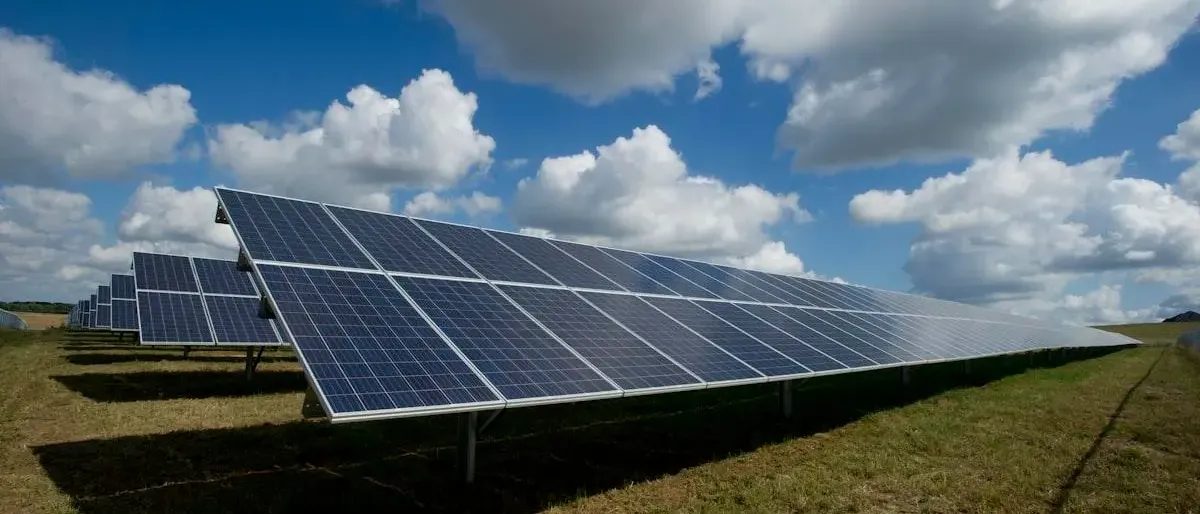
Quick answer: With CAPEX, your company buys the rooftop plant, keeps every unit it generates and claims the tax depreciation. With OPEX (also called RESCO or a rooftop PPA), a developer builds and owns the plant on your roof and you pay only for the units it produces, at an agreed per-unit rate, usually for 15 years or more. An offsite PPA buys solar power from a plant elsewhere, delivered through the grid under open access. Choose CAPEX when you have capital or cheap credit and a long horizon at the site; choose OPEX when you want savings without tying up capital; look at an offsite PPA when your roof is too small for your load.
Should a factory buy its rooftop plant, or let someone else own it and just pay for the power? The answer depends less on the panels than on your balance sheet, tax position, how long you will stay at the site and how much of your load the roof can cover. Here are the three models side by side, with the Telangana and Andhra Pradesh rules for 2026.
The three models in one table
| Point | CAPEX (you own) | OPEX / RESCO (developer owns, on your roof) | Offsite PPA (open access) |
| Upfront investment | Full plant cost, from equity or a loan | None or a small security deposit | None for the plant; grid connection and open access formalities apply |
| Who owns the plant | Your company | The developer, for the contract term | The developer, at a remote site |
| What you pay | Loan EMI (if any) plus O&M | A fixed per-unit tariff for units generated, sometimes with an annual escalation | A per-unit tariff plus open access charges set by the state regulator |
| Tax depreciation | Yours | The developer's | The developer's |
| O&M and performance risk | Yours (or an AMC you pay for) | The developer's; they earn only when the plant generates | The developer's |
| Contract length | No lock-in once paid for | Long term, often 15 years or more, with buyout options in some contracts | Long term, as agreed with the developer |
| Best fit | Profitable firms with capital or credit and a long stay at the site | Firms that want savings without capital or plant management | Large loads that a roof cannot cover |
CAPEX: highest lifetime value, if you can fund it
The plant is your asset from commissioning, and every unit it generates replaces a unit bought at your full industrial tariff, so lifetime savings are the highest of the three. Three things shape the numbers in 2026:
- Lower GST. GST on solar power devices, including cells and modules, was cut from 12% to 5% from 22 September 2025. Turnkey EPC contracts are commonly valued on a 70:30 goods and services split, which brings the blended GST to about 8.9% of contract value, down from about 13.8%.
- Accelerated depreciation. Solar power generating systems have long been in the 40% depreciation block, which lets a profitable company write off a large share of the cost early. A plant put to use for less than 180 days in the year gets half the rate in that year. The Income-tax Act, 2025 has applied from 1 April 2026, so confirm the rate and the half-year rule for your financial year with your chartered accountant.
- You carry O&M. Cleaning, monitoring, inverter replacement and insurance are your costs, and an underperforming string is your loss, so budget for O&M and remote monitoring.
OPEX or RESCO: savings from day one, no capital
In the OPEX model, a renewable energy service company (RESCO) designs, finances, builds, owns and maintains the plant on your roof. You sign a power purchase agreement and pay a fixed tariff per unit generated. Paid only for units produced, the developer has every reason to keep the plant running.
What to check before signing:
- The tariff and escalation. A flat tariff for the full term protects your savings. An escalation clause can erode them if your grid tariff rises more slowly than expected.
- Term, buyout and exit. Look for a clear buyout price schedule, what happens if you move, sell or expand the building, and who owns the plant at the end of the term.
- Minimum offtake or deemed generation. Some contracts make you pay for units the plant could have produced if your shutdown or roof work stopped it.
Kajaria Ceramics' 3 MW behind-the-meter rooftop plant at Srikalahasti, shown above, runs on this model: it is a Greentek group OPEX plant, built, owned and operated within the Greentek group, and the factory pays for the power it uses.
Offsite PPA: when the roof is not enough
A large factory may need far more energy than its roof can produce. Solar from a plant elsewhere can then be delivered through the grid under open access. The central Green Energy Open Access Rules, 2022 set the eligibility threshold at 100 kW of contracted demand, and each state regulator applies it with its own charges, banking terms and approvals. Those charges often decide whether an offsite PPA beats the grid tariff. Many companies combine both.
The rules your rooftop has to fit (Telangana and Andhra Pradesh)
Whichever model you choose, your state's rooftop rules cap the size.
| Rule | Telangana | Andhra Pradesh |
| Regulation | TGERC Rooftop Solar PV Grid Interactive Systems Regulation, 2025 (in force from 15 November 2025) | APERC Regulation No. 4 of 2023, as amended by Regulation No. 10 of 2025 |
| Net metering limit | Up to 500 kWp | 1 kW to 500 kW |
| Load cap for industrial and commercial consumers | 80% of sanctioned load | Up to contracted load |
| Gross metering | Up to 1 MWp | Allowed under the same regulation |
| Group and virtual net metering | Below 100 kWp; group net metering for domestic and township connections only | Group net metering 1 kW to 500 kW; virtual net metering 5 kW to 500 kW |
| Charges and fees | Net and gross metering exempt from banking, wheeling, cross-subsidy and additional surcharges | Application fee nil up to 5 kWp, Rs 1,000 above 5 kWp to 100 kWp |
Telangana's regulation also requires insurance and Chief Electrical Inspector certification for systems above 56 kWp, and it covers third-party owned rooftop systems, which matters for OPEX plants. In Andhra Pradesh, APERC's August 2026 practice directions also allow behind-the-meter zero-export plants, provided the DISCOM is informed in advance and the system prevents export.
One supply chain rule applies to all three models: from 1 January 2027, net metering and open access projects must use solar cells from manufacturers on ALMM List-II. We explain the deadline in ALMM List-II and solar cells: what businesses must know before 31 December.
A quick way to decide
- Is the company profitable and paying full tax? If yes, CAPEX depreciation has real value. If not, OPEX lets a developer use it, and part comes back to you in the tariff.
- Is capital or credit available at a reasonable cost? If capital has better uses in your core business, OPEX keeps it free.
- Will you stay at this site for 15 years or more? Both models assume so; if not, negotiate exit and transfer terms first.
- Can the roof cover your daytime load? If not, add an offsite PPA to the plan.
Frequently asked questions
Is OPEX solar cheaper than grid power?
It is designed to be: the tariff is set below your current industrial tariff. The saving depends on your tariff category, escalation and generation, so compare offers over the full term, not year one.
Can we switch from OPEX to ownership later?
Many contracts include a buyout option after a set number of years at a pre-agreed price. Make sure the schedule is in the agreement before you sign.
Does net metering work for a developer-owned plant?
Yes. The connection is in your name and the plant sits behind your meter. Telangana's 2025 regulation covers third-party owned rooftop systems.
Tax rules, GST rates and state regulations can be revised. This guide is current as of October 2026 and is not tax advice; confirm the treatment for your company with your chartered accountant.
Working out which model fits your factory?
Greentek's Secunderabad team has worked in solar since 1997 and builds both owned and OPEX plants. Share your last twelve months of bills and your roof details, and we can compare CAPEX and OPEX for your site, with savings subject to site assessment.
About the Author
About Greentek
Get a Free Solar Quote
A Greentek engineer will call you within 24 hours.
Need Solar Solutions?
Interested in learning more about our solar energy solutions? Get in touch with our experts.
Get Free Consultation