PM Surya Ghar Scheme: Time Is Ticking – A Defining Opportunity for Indian Households
March 31, 2027 may seem far away—but the window to act is already closing. The PM Surya Ghar scheme is a rare opportunity to secure long-term energy savings before demand and timelines tighten.
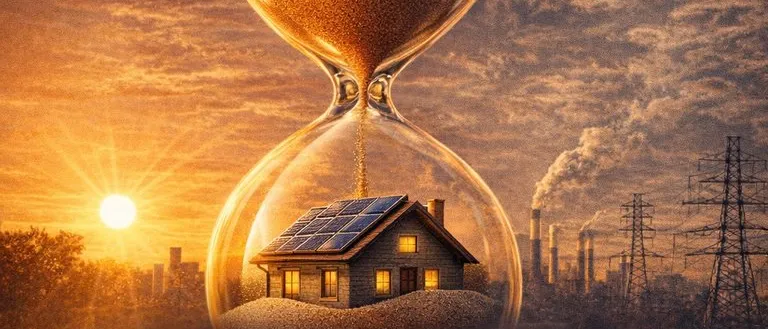
Why This Scheme Matters More Than We Think
Over the last few years, I’ve seen a clear shift in how people look at energy.
Earlier:
- Electricity was just a monthly bill
- Rooftop solar was seen as optional
Today:
- Energy is becoming expensive and unpredictable
- Sustainability is becoming a necessity
- Households want control, not dependence
The PM Surya Ghar: Muft Bijli Yojana sits right at the intersection of this shift.
It is designed to:
- Enable residential rooftop solar adoption at scale
- Reduce electricity bills for millions of households
- Push India toward decentralized clean energy
But most importantly, it gives individuals direct participation in the energy transition.
The Biggest Advantage: Early Movers Win
Every major energy transition follows a pattern.
Those who act early: ✅ Get the maximum financial benefit
✅ Face fewer execution challenges
✅ Lock in long-term advantages
Those who delay: ❌ Face policy uncertainty
❌ Deal with higher costs
❌ Struggle with implementation bottlenecks
We are currently in the early adoption phase.
Which means: 👉 The advantage is still available
👉 But not for long
Why Waiting Could Be a Mistake
From what I see across the market, most households are postponing decisions because:
- “Subsidies will continue”
- “I will do it next year”
- “Let the market settle first”
But history suggests something very different.
As adoption increases:
- Subsidy structures often evolve
- Installation capacity becomes constrained
- System costs fluctuate based on demand
Closer to the deadline, demand spikes.
And when that happens: 👉 Execution becomes difficult
👉 Lead times increase
👉 Quality compromises become common
Beyond Subsidy: The Real Value
The biggest mistake is looking at this scheme purely from a subsidy perspective.
Yes, financial support is important.
But the real value is much deeper:
1. Energy Independence
You reduce dependence on grid power and tariff fluctuations.
2. Long-Term Savings
Rooftop solar is a 20–25 year asset, not a short-term benefit.
3. Rising Tariff Protection
Electricity costs will continue to rise.
Solar locks your cost today.
4. Asset Creation
Your rooftop is no longer unused space — it becomes a productive energy asset.
5. Sustainability Impact
This is one of the simplest ways for households to contribute to India’s clean energy goals.
What Will Happen As 2027 Approaches
This is predictable.
As we move closer to March 2027:
- Installations will surge
- Installer capacity will be stretched
- Project execution timelines will increase
- Decision-making will become reactive instead of strategic
We’ve seen this cycle repeatedly across policies.
A Simple Way to Look at It
There are only two types of decisions here:
✅ Planned Decision
- Evaluate properly
- Choose the right system
- Ensure quality installation
- Maximize lifetime benefit
❌ Last-Minute Decision
- Limited options
- Delays and compromises
- Reduced advantage
The difference between the two is simply timing.
The Opportunity for India
If executed well, this scheme can:
- Create one of the largest decentralized solar networks in the world
- Reduce pressure on DISCOM infrastructure
- Drive long-term reduction in fossil fuel dependency
- Empower millions of households
But its success depends not just on policy.
👉 It depends on how quickly people act
Final Thought
We often wait for clarity before making decisions.
But in cases like this, clarity already exists.
The policy is in place.
The technology is proven.
The economics are strong.
The only question is:
Will we act early — or wait until the advantage disappears?
Because by the time everyone realizes the value,
it might already be too late to benefit fully.
#PMSuryaGhar #SolarIndia #RooftopSolar #EnergyIndependence #RenewableEnergy #CleanEnergy #Sustainability #IndiaEnergy #SolarPower
About the Author
About Greentek
Need Solar Solutions?
Interested in learning more about our solar energy solutions? Get in touch with our experts.
Get Free Consultation